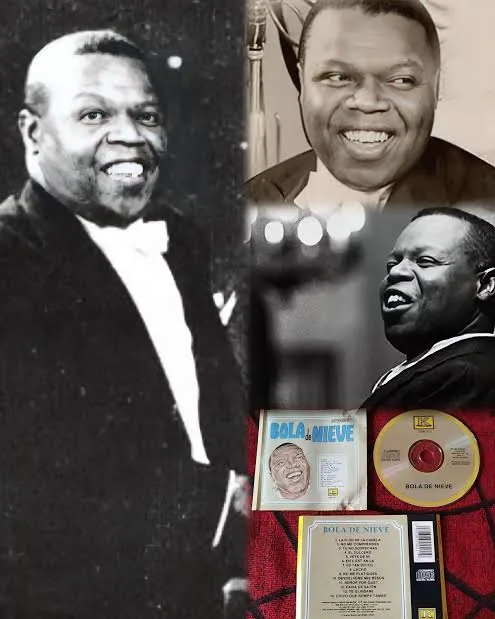
In Cuban popular music the defining features of our identity are manifested. One of them is without a doubt, our ability to laugh and make others laugh. It is possible to find humorous resonances in many musical genres born in Cuba, but the one that reflects it the most is the Guaracha.
The first guarachas that were known were part of the buffo theater, and based on the traditional arguments that characterize it, the verses of these songs very often had humorous intentions. The guarachas had a musical form indebted to the Hispanic stage tune, although permeated by the Antillean rumba, it was from its beginnings a spokesperson for the festive and satirical spirit of the Cuban.
This genre was linked to the realization of the independence ideals of the Cuban Creoles, since the people used it to criticize, in a mocking and picaresque tone (sometimes with a sharp double meaning), colonial rulers and situations derived from the oppressive peninsular regime. On January 13, 1869, at the Villanueva theater in Havana, a guaracha was sung that contained elements of an underhanded attack: It has already fallen, in allusion to the liberation war that was taking place in eastern lands.
The guarachas were accompanied by guitars, along with rattles such as the güiro and the maracas. Then the three is added. The voices of the guaracheros replicated the chorus, where the choir gave thematic coverage to the couplets sung by a soloist. A critic of customs, Cuban grace found in the guarachas the ideal framework for its humorous inspiration.
When the Guaracha becomes independent of the buffo theater and enters the dance halls, it retains the intention of summoning laughter. This happens in the 20th century and has very good results for the musical genre, because due to the interest of composers of various types of orchestral groups, the Guaracha initially begins to be played and sung along with other genres, and then the idea of making compositions arises, where it is harmonically mixed with them. This is how the guaracha son and the guaracha conga appear.
Among the most important Cuban composers who dedicated themselves to the composition of guarachas, we can mention Ñico Saquito, but it is usual that popular composers, since the 19th century, made this genre and also others.
Since then, until today, the guaracha has not stopped appearing throughout the creative process of Cuban composers, always reflecting aspects of the environment of man's daily life and situations that had an eloquent impact at the time. In the last decades of the 20th century, the greatest exponent of Guaracha is Pedro Luis Ferrer, a troubadour of compositions with an intense feeling, who has given abundant examples of his Cuban identity, taking care of turning to many forms of our music. He has achieved guarachas with tasty certainty, which like every classic piece of its genre, have become part of the collective heritage.