In the first decade of the 20th century, the spread of the sugar industry brought with it the migrations of Jamaicans and Puerto Ricans who settled mainly in Camagüey and Oriente. Between 1915 and 1935, new musical forms evolved in Cuba, among them Sucu-sucu, a type of son that was first known on the Isle of Pines.
On the Isle of Pines, the cultivation and exploitation of grapefruit trees and timber forests was encouraged, using diverse labor, including Jamaicans and other emigrants from the Cayman Islands, who also brought their cultural elements. The sucu-sucu, the changüí, the plena and other Caribbean rhythms of this era, have a close relationship with each other in terms of the musical rhythmic schemes and the "brushed" dance passages.
Little has been said about this dance rhythm. Scholars attribute the paternity of this genus to French Guiana, while Cuban researchers defend its emergence in Pinero soil. The truth is that it was very popular, especially in the political and social environment of the early 20th century in that region of Cuba.
In this Cuban musical genre, the use of the güiro and a machete scratched with a metal rod as predominant instruments stands out. The tres, marímbola, maracas, bongó, claves and some metal as a scraper are also present in this genre. He conceives a very lively dance, as a couple, with jumping steps, which is still popular in certain areas of the country.
In the performing group there is a soloist, and a choir that always sings a unique tune. The soloist's sense of improvisation is very important, based on a quatrain or a tenth. The chorus is a very important rhythmic element in Sucu-sucu, as it alternates with the singer several times in the same piece.
Among the best-known Sucu-Sucu are "Domingo Pantoja" and "Felipe Blanco", attributed to Eliseo Grenet. The latter referred to the fact that Felipe Blanco, who governed the Isle of Pines during the Spanish colony, denounced those who did not work. From there, Cubanism was born, so that when someone doesn't work, they say: "he's throwing a lot of money", "he's messing around"; Well, part of the lyrics says: "The Majáes don't have caves. Felipe Blanco covered them, he covered them, he covered them, Felipe Blanco covered them."
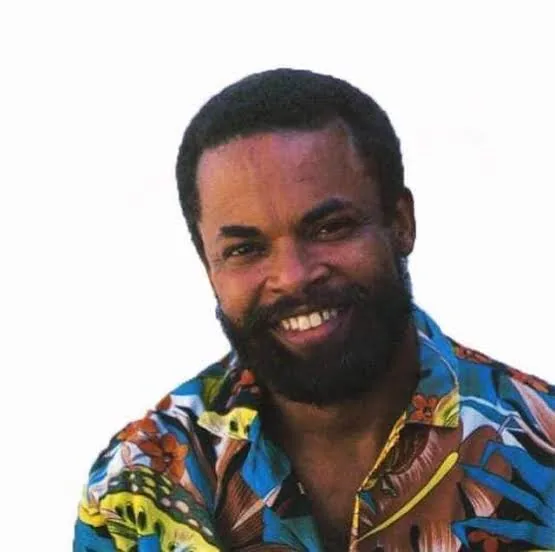
Better known abroad than in Cuba, Sucu-sucu currently has its greatest exponent in the musician and composer Ramón Mongo Rives, a farmer from the Isle of Youth who directs the group La Tumbita criolla. In Mongo's home there is a school, where he teaches the little ones the secrets of that authentic genre.
The rhythm of Sucu-sucu is contagious and very Cuban; The dancers do not move their shoulders or hips, which identifies it, in that aspect, with the oriental son.
And while Cuban society is shaken by the rhythms of recent times on the Isle of Youth, Sucu-Sucu maintains its taste for its native rhythm unscathed, which has in Mongo Rives the representation of a true legend.