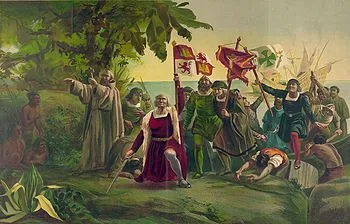
When the Hispanics arrived in America, there were already black slaves in Europe, brought there by traffickers of various nationalities such as Spanish and Portuguese.
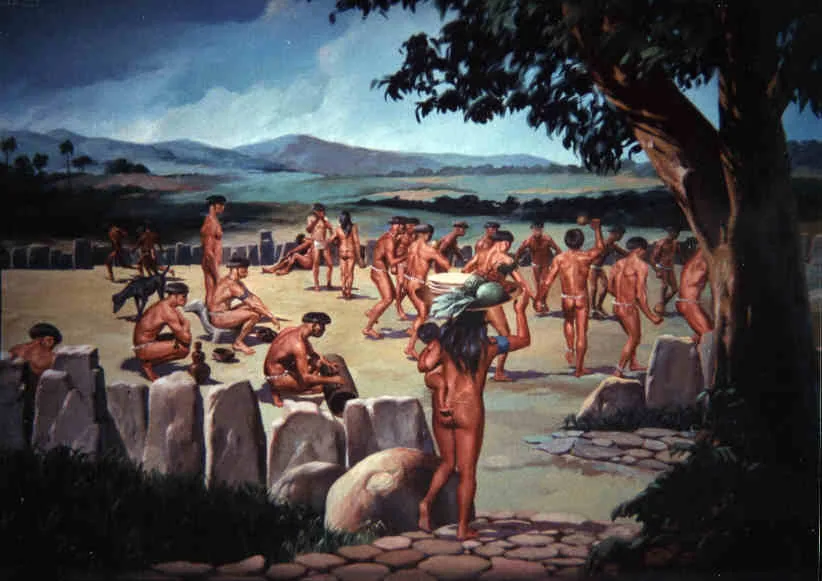
At the beginning of colonization in Cuba, the aborigines were forced to work as slaves, in the search for gold and silver. As a consequence of the abuse and mistreatment to which they were subjected and the epidemics such as smallpox and measles that they suffered, the Aboriginal population was annihilated in a relatively short period of time. The extinction of the indigenous people favored the slave trade to acquire a greater boom, taking place from the beginning of the conquest and prevailing until the first third of the 18th century in Cuba. The massive entry of Africans into our country began at the end of the 16th century.
The majority of black Africans were brought as slaves through the slave trade, the fundamental reason being the economic aspect, since the colonial industries established in the country required a large number of labor forces.
The slaves were grouped together in the so-called councils, through which relations between the different African ethnic groups were prevented, with the purpose of each nation preserving its original culture and thus avoiding possible mixtures between them.
The African ethnic groups that populated the Cuban archipelago are made up of four main cultures such as the Yoruba or Lucumí, the Congo or Bantu groups, the Carabalí culture and the Arará culture. The cultures that exerted the greatest influence on the formation of Cuban theater were the Yoruba, the Bantu and the Abakuá.
Black Africans from dissimilar cultural groups greatly influenced and enriched Cuban theater because this population constituted the basic layer of our society for centuries.