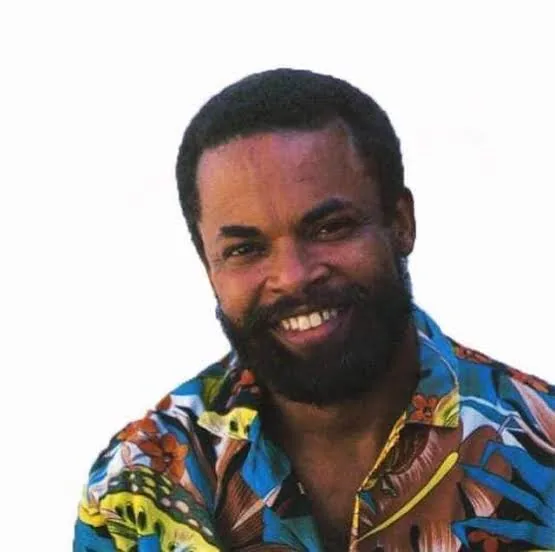
Ignacio Piñeiro Martínez was born in Havana in 1888. As a child, his family moved from the Jesús María neighborhood to the popular area of Pueblo Nuevo, where he spent his childhood and completed his primary studies. It is also there where his interest in music began, being part of the community's children's choirs. He is considered one of the most significant musicians in the history of Cuban music.
Before adopting music as a way of life, he worked from a very young age in various trades such as cooper, foundry, port worker, cigar maker and bricklayer. Adjacent to his work life, Ignacio Piñeiro never stopped assimilating the sounds and songs of the African councils that existed in his neighborhood. In 1906, he was part of the clave and guaguancó group.
He began his artistic career with the clave and guaguancó group called El Timbre de Oro as an improvising decimist. He directed the well-known group Los Roncos for several years, taking his first steps as a composer. Taking place their popular rumbas: When you see disappointment, Tomorrow I'll wait for you girl and Where were you last night.
He was one of the founders of the western sones sextet in 1926, under the direction of the troubadour María Teresa Vera. Working as a double bassist, he made his first tour to the United States in order to record an album with this group.
In 1927 he founded the National Sextet, was its director and played the double bass. In that year he added the trumpet that was played by Lázaro Herrera, turning it into a Septet. With this instrumental format he traveled to New York and recorded his first works there. He triumphantly led this group recognized, still today, as the National Septet until 1969, the year he died.
In 1929 the Septeto Nacional participated in the Fair-Exhibition of Seville, Spain. In this country they were hired as exclusive artists by the company SEDECA, and they toured other cities. They performed at the Torero, Jovellanos theaters, the Cine-Teatro Grado, and the Maicú cabaret, all in Madrid. In 1930 he was one of the founders of the National Association of Cuban Soneros. They perform at the Sans-Souci cabaret (1930); In 1931 they appeared on the Lavín and CMCG radio stations; In 1932, at the Dos Hermanos hotel, Buey Viejo premiered. In 1933 he performed at the A Century of Progress Fair-Exhibition, held in Chicago, United States.
In these years Piñeiro created notable urban peasant songs: rumbas, lamentations, proclamations, among them those titled: “Cuatro palomas”, “Estas no son cubanas”, “Échale salsita”, “Suavecito”, “Don't play with the saints”, among others.
As a composer, Ignacio Piñeiro broke, although he took elements from it, with the form of the oriental son, in which its creators used the quatrain and the tenth; An example of this rupture is his son Buey Viejo, from 1932.
Piñeiro managed to capture, develop and express the full richness of the Son. His musical creations involved structural modifications, the use of cadence, rhythm and the use of melodies and refined lyrics. These musical creations, performed by the National Septet, make it possible to affirm that the sound work of this unique artist becomes a sound that today we can call classic.