The theater of the Cuban aborigines was implicit in the magical-religious ceremony known as the areito, in which we have found the earliest Cuban theatrical performances. Therefore, the areito was the form of performance practiced by our native people, and it also constitutes our initial cultural expression.
As in all cultures, Cuban aboriginal theater was part of a ritual, through which they recounted events that had occurred; and in its celebration, various manifestations such as dance, song, and pantomime were involved.
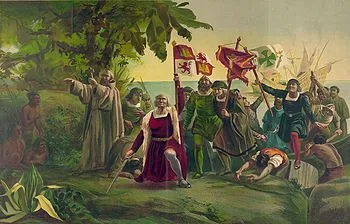
The accounts of the conquerors, called Chroniclers of the Indies, are what have allowed us to know what little we know today about these first Cuban inhabitants and their culture, and about their artistic expressions.
According to the information provided by the Chronicles of the Indies, we can learn today about the ceremonies where dance, music, and the first Cuban theatrical performances appeared: "Thus we find them to pray for military victory or war dances; funeral dances, to ask for the happiness of the dead; nuptial dances, praying for the happiness of the contracting couple; dances of thanksgiving for good harvests; and dances of supplication to ask for rain, good hunting, abundance of harvested fruits, or other benefits of nature, among which are the ceremony of the yucca and the corn."1
Cuban aboriginal theater, based on oral tradition, was a primary means of narrating the feats, achievements and events of the tribe, and thus ensuring that they were passed down from generation to generation, even becoming known to neighboring clans.
1 Luis Alfaro Salazar and Antonio J. Vargas. Prehistory of Venezuela, page 210. http://www.monografias.com/trabajos17/musica-danza-aborigenes/musica-danza-aborigenes.shtml