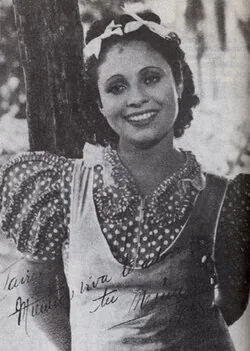
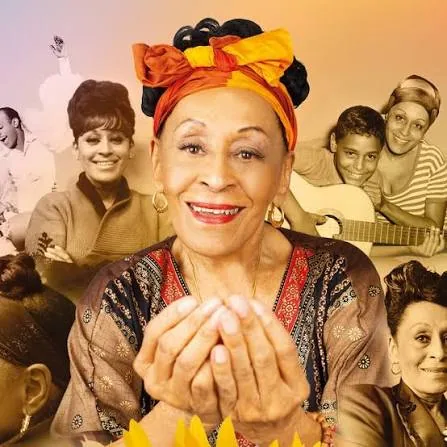
Celina González was born on March 16, 1929, in Jovellanos, Matanzas. When she was four years old, her family moved to the province of Santiago de Cuba. Music was always present in her home; her parents sang folk songs, and two of her brothers played the tres and the lute. From a young age, she had a clear, powerful, and rhythmic voice.
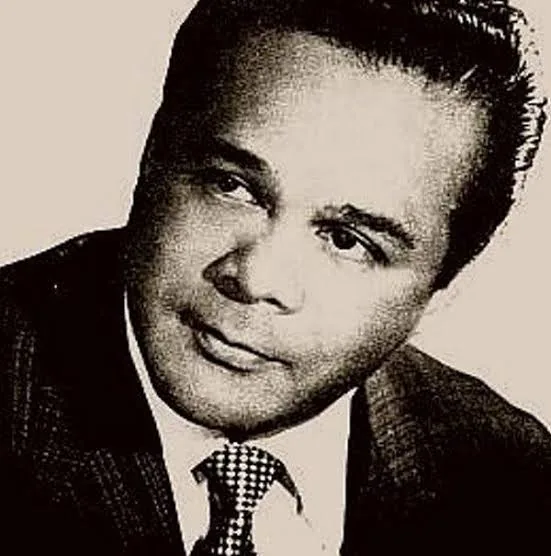
At 16, Celina began her career as a Punto Cubano singer. In the mid-1940s, she met Reutilio Domínguez, a guitarist and second voice from Guantánamo. In 1947, Celina and Reutilio formed a duo. They were discovered while performing on the radio program Atalaya Campesina on the Cadena Oriental de Radio station in Santiago de Cuba and brought to Havana by the renowned guaracha composer Ñico Saquito. The duo Celina and Reutilio performed on various radio stations throughout the country. They appeared in several Cuban films, including Rincón Criollo and Bella la Salvaje. They also toured several countries in the Americas. By the 1950s, they were well-known throughout the Caribbean, and in South America, they were particularly popular in Colombia.
In 1964 the duo broke up and Celina continued her career as a soloist, performing other genres of Cuban music such as Son and Guaracha.
He debuted as a duo with his son Lázaro Domínguez in 1980, a partnership that lasted for several decades. They performed at cultural events known as the Jornadas Cucalambeanas and on the Cuban television program Palmas y Cañas, pleasing all viewers.
From this year until 1998, he moved countless times to various countries such as Colombia, England, France and Spain, just to mention a few.
She was accompanied in her performances by excellent Cuban folk groups such as Campo Alegre, Los Montunos, and Los Pinares. She performed with great success in theaters, cabarets, on radio and television, and recorded numerous albums in Cuba, which were played abroad.
Celina González distinguished herself through her dazzling interpretations of Cuban folk music, especially the guajira, and has been hailed by critics, musicologists, and fans of the genre as the Queen of Punto Cubano. Among her most popular songs are "Yo soy el Punto Cubano" and "Que Viva Changó."
Celina was the founder of the television program Palmas y Cañas. She received the National Music Award in 2003. She brought authentic Cuban folk art to international acclaim on diverse stages. She also performed the music of Cuban composers and her own compositions with the utmost excellence, in a unique and personal style.
Among the awards Celina González has received are the Picasso Medal from the United Nations Educational, Scientific and Cultural Organization (UNESCO), a Gold Record in 1991 in West Africa, and the Fernando Ortiz Foundation's annual prize in recognition of her meritorious work as an artist.