With the emergence of new musical genres in Cuban music, important composers emerged who enriched and immortalized these genres.
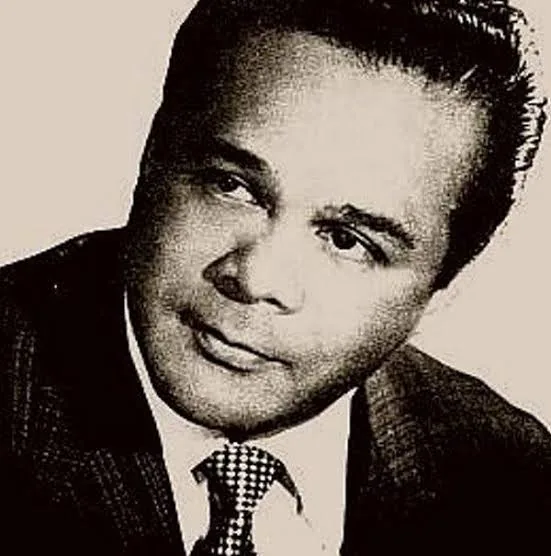
During these years in Cuban music, the first great composers of the Feeling movement flourished: César Portillo de la Luz, who in 1947 created "Contigo en la distancia" (With You in the Distance); José Antonio Méndez, for his part, created songs like "La gloria eres tú" (You Are My Glory) and "Novia mía" (My Bride). In 1952, maestro Adolfo Guzmán composed "Profecía" (Prophecy), and in 1955 Frank Domínguez won a Radio Progreso contest with "Tú me acostumbraste" (You Got Me Used To It).
Mambo had its most faithful exponents in Orestes López, Dámaso Pérez Prado, and Benny Moré. Of all the danzones composed by Orestes López, the most popular is "Danzón con Mambo," which was a huge success. Other danzones by López include: "Camina Juan Pescao," "El truco de Regatillo," "El que más goza," "Los Jóvenes de la defensa," and "El moro eléctrico," among others. Dámaso Pérez Prado's compositions have been used in several films, and among his most outstanding works are: "Rico Mambo," which was his first hit; "Mambo No. 5," "Pianolo," "Caballo negro," "El ruletero," "Mambo en Sax," and "Mambo No. 8." As for the great Benny Moré, among his most important compositions are: "Cómo fue," "Bonito y sabroso," "Santa Isabel de las Lajas," "Qué bueno baila usted," and "Cienfuegos," among many others.
Enrique Jorrín, the King of Cha-Cha-Cha, dedicated his early years as a composer to creating danzones, carefully adhering to their characteristics and employing their musical elements. Among his greatest hits are "El túnel," "Nada para ti," "Cógele bien el compás," and, from the music genre, "Poco pelo" and "Yo sabía." He was one of the most notable composers in Cuban music.
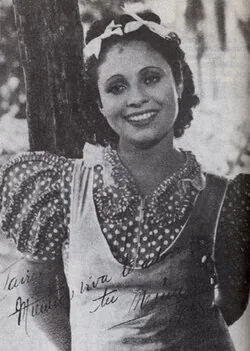
Two of the most prominent performers of the era, who were also important composers, were Rita Montaner and Ignacio Villa (Bola de Nieve). Rita composed congas, comparsas, rumbas, boleros, and African and Argentine tangos, while also leaving behind studies for violin and piano and contributing her work to numerous Italian and modern operas, Cuban and Spanish zarzuelas, and sacred music. Among Bola's most significant works are: ¡Ay, amor! and Si me pudieras querer.
Ñico Saquito was a prominent composer, and one of his works that has remained most enduringly in the memory of Cubans is "María Cristina." His compositions "Cuidadito, Compay Gallo," "El Jaleo," "Chencha la Gambá," and "La Negra Leonor" were among his more than 300 guarachas. His music has been featured in the soundtracks of several Latin American films.
Finally, we cannot fail to mention Joseíto Fernández. He composed over 200 musical works that achieved great popularity, such as the one performed by Benny Moré titled “Elige tú, que canto yo” (You Choose, I'll Sing). He also composed various boleros and guarachas, including “Son candela,” “Amor de madre” (Mother's Love), “Tu tierra y tu libertad” (Your Land and Your Freedom), and “Así son, boncó” (That's How It Is, Boncó). This great Cuban musician has been immortalized in the history of Cuban music by the success and international acclaim of his Guajira Guantanamera.