The group Los Fakires emerged in the 1960s, specifically in 1965 in Villa Clara, under the direction of the renowned Cuban musician Félix Esteban Rego Enríquez. Its founder, along with talented musicians of the time, such as the late maestro Gustavo Rodríguez and Ricardo Mederos, explored the harmonic concepts of Feeling, and the vocal and melodic treatments that were fashionable at the time—a period of sonic exploration and experimentation in Cuba.
The band consisted of: Esteban Riego (guitar), Medero (guitar), Ramiro Bustamante (LED guitar), Veitía (double bass), Poponda (saxophone), Arnaldo (trumpet), Luís Diego (drums), and Larry López (congas). Other members of the group included Gilberto Peralta, José L. Bastida, Pucho López, and other musicians.
Los Fakires, at 15 or 16 years old, performed genres such as rock, soul, and most of the styles belonging to American music of the time (including Blood, Sweat and Tears). They also performed ballads of the era and accompanied prominent singers on the radio, including Pilar Moraguez.
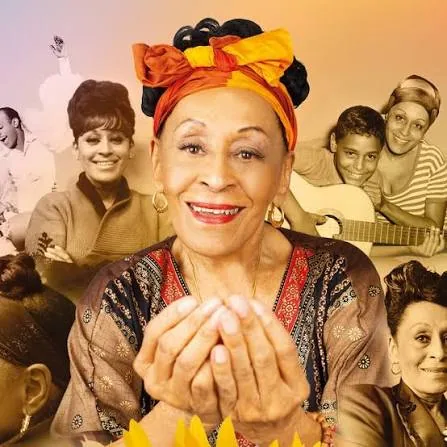
They have accompanied renowned figures in Cuban music such as Moraima Secada and Tata Güines, as well as Omara Portuondo, Ela Calvo, Beatriz Márquez, Farah María, Alberto Falla, Miguel Ángel Céspedes, and Los Hermanos Bermúdez, among others; in addition to undertaking various artistic tours throughout the Americas, Europe, and Africa. They have shared the stage with the best of contemporary Cuban and Latin American music.
In Los Fakires, the saxophone fills the entire range of the melodic section; they use the guitar mainly in the low registers, like bass; the bongos sound in the classic Son style, and everything else is minor percussion: güiro, claves, maracas.
Los Fakires are currently a quintet performing traditional Cuban music. El Mejunje in Santa Clara (Calle Marta Abreu No. 12, between Zayas and Lubián, Santa Clara, Villa Clara) is still their venue for performances every Friday night, where members of three generations come to enjoy their music and catchy choruses. This musical group generally develops its creative work in the world of cabaret, which has allowed it to cultivate great musical versatility while always maintaining its focus on traditional Cuban music.