From the 1950s onwards, North American music began to exert a great influence on Cuban youth of the time, a fact that led to the beginning and cultivation of Rock on the Island.
Gradually, Cuban bands and solo singers emerged throughout the country who cultivated the genre, performing what was known as Slow Rock and romantic Rock ballads.
Los Armónicos was a group founded by Felipe Dulzaides. They were one of the pioneering rock and roll groups in Cuba. They also performed and explored genres such as jazz, samba, and bossa nova. Initially a vocal-instrumental group, they later became an instrumental ensemble. They performed in the most important cabarets of the time and on various television programs.
In 1961, Iván Fariñas founded his group, Los Halcones (The Falcons). Their aim was to emulate prominent rock bands of the time, both national and international. Fariñas, along with two of the band members, Daniel and Frank, created a new sound they called Sick by fusing rock, bolero, and Cuban cinquillo.
The Kents, a group formed in 1965, were a regular band among fans of the genre in the Vedado residential neighborhood. They possessed better instruments than other bands, as they were imported. The band was comprised of talented musicians and included a member of North American origin (Andrés Pachalidis), an unusual characteristic at the time. They are considered a group that made significant contributions to the development of rock. They disbanded in 1973, and from 1973 to 1974 they were known as Los Sotanas, when they disbanded completely. After 29 years, The Kents reformed with a new lineup, featuring only three of their original members.
Also present were “Los Bárbaros del Rock”, “Pedro Román” and “Jorge Bauer”. These were followed in the 1960s by others, some of them somewhat ephemeral but achieving great notoriety, such as: “Los Satélites de Antonio M. Romeu”, “La Banda de Tony Taño” and “Los Astros de Raúl Gómez” (1961-1964).
In the province of Villa Clara, there were several rock groups: “Los Diablos Rojos,” led by Eddy Romero (nicknamed “El Chino”), opened shows and accompanied touring rock musicians. There were also the bands “Los Fantasmas de Larry López” and “Los Pragas” (1962); the latter introduced congas to their instrumental lineup, something unusual at the time. Enrique Plá was a member of both bands. In 1965, Los Fakires were founded, followed in 1966 by Los Yeti, who debuted at an amateur festival in Santa Clara.
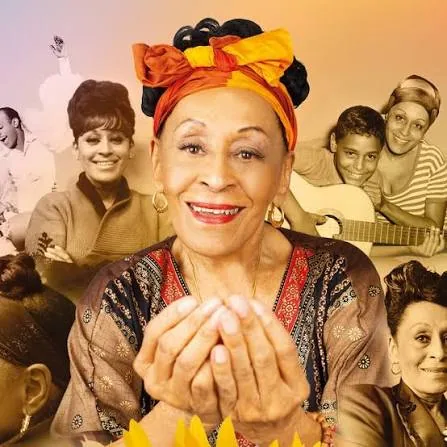
Los Fakires (1965), led by Estevan Riego, played rock songs and ballads of the era. They also accompanied famous Cuban radio personalities such as Pilar Moraguez, Moraima Secada, Omara Portuondo, and others. The group was made up of talented young musicians, including Ramiro Bustamante and Larry López. Today, Los Fakires is a traditional music quintet and regularly performs at the El Mejunje cabaret (Calle Marta Abreu No. 12, between Zayas and Lubián, Santa Clara, Villa Clara).
Los Dadas also emerged in 1966. Their repertoire showcased a troubadour-rock style. The songs they performed featured excellent lyrics, written by the band members themselves. Among their most popular songs was "Siempre." They were one of the most influential bands of that era.
In 1968, the rock band Dimensión Vertical emerged. It is considered one of the most important Cuban rock groups of its time. The group remained active until 1973. The band reunited in 2001 at the suggestion of bassist Julio Quintana, one of its original members. The lineup consisted of some of its founding musicians and others from legendary bands of that same era.
In the 70s other rock bands emerged that reached the top spots on Cuban radio and television such as “Los Mensajeros”; who performed versions of Italian Rock, “Los Bucaneros”, “Los Fantásticos” by Zequeira, “Los Barba” made up of Beatriz Márquez among others, “Los Magnéticos” by Rolandito More.
In this decade of the 70s, we must take into account Los Almas Vertiginosas, a group that managed to keep the rock audience active on the streets for more than 14 years.
Other Cuban rock bands from this period of the 20th century were: Los Peniques, Los Culpables, Los Signos, Los Espontáneos, Los Jets, Los Magnéticos de Bauta, Los Apaches, Los Gnomos, Unión Simple, Los Hanks, Musical Power Men, Los Siux, Los Diatónicos, Los Gallos or Paul Dean and the Roosters (band related to the National School of Art (Calle 120 e/ 9na y 13, Cubanacán. Playa. Havana City), Los Apaches, Flores Plásticas de Bauta, Los Telemaco de Guanabacoa.