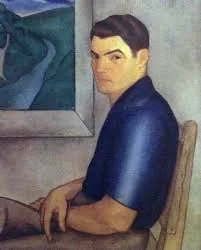
Enrique García Cabrera was born on February 5, 1893 in Havana and died on September 25, 1949 in this city. Although he was not a long-lived artist, he did have time to bequeath a considerable work and establish his own style, marked by the brilliant color and magnificence that overflows each painting of his inspiration.
After completing his painting studies, he made a trip to Europe, which allowed him to come into contact with the main currents then in vogue in the old world. By 1914, at the age of 21, he was back in Cuba. He was also known for being a notable draftsman, he made portraits and conceived several covers for important magazines, such as those of Bohemia.
He was one of the first Cuban artists who became interested in design and commercial painting, with encouraging results. He established an interesting dialogue with the decorative and his mark has been reflected in several public buildings in the city; such as the panels that were on the doors of the main entrance of the National Capitol, among others that show the exquisite aesthetic taste of García Cabrera.
He also served as professor and director of the San Alejandro Academy, this last position he held from 1942 and apparently until his death. There he carried out a notable teaching work and offered several conferences that allowed us to delve deeper into his conceptions of art and its commercialization, such as the one titled "Futurism and the art market."
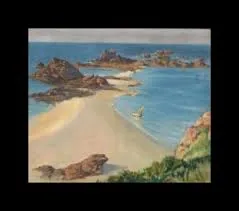
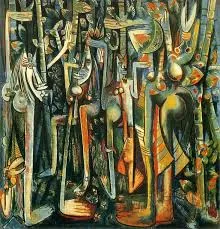
Many of his works are preserved in the National Museum of Fine Arts of Cuba and others belong to private collectors. Among the most notable are Cecilia Valdés, Anacaona, Figures in the Night, Mr. Miguel Humara at the Country Club, Casa Arrechabala, Colonial Trapiche, Peasant Maternity and Working Maternity. His aesthetic postulates contributed to the training of many artists who continued their work after the triumph of the Revolution in 1959.